Hackers Don’t Care About Size!
They Target Weakness
In the ever-evolving digital landscape, one truth remains constant, cybercriminals don’t discriminate by size, they exploit vulnerability. While many small business owners still believe they’re too small to be noticed, the reality is that hackers are increasingly targeting them precisely because they’re easier to breach.
 Cyberattacks are no longer reserved for large multinational companies. In fact, small and medium-sized businesses (SMBs) are now among the most frequent victims. Why? Because they often lack the cybersecurity infrastructure, dedicated IT teams, and awareness training that larger organizations have in place. This makes them low-hanging fruit for attackers looking for quick wins.
Recent events underscore this trend. In early 2025, a wave of ransomware attacks hit a diverse range of organizations, from a UK-based cannabis product supplier (you could say they went to pot) to a Chinese AI startup and even a regional healthcare provider. These weren’t global giants, they were smaller, specialized businesses that became targets due to weak security postures. In many cases, operations were disrupted, customer data was compromised, and reputations were damaged.
The statistics are equally alarming. As of 2025, nearly 46% of all cyber breaches affect businesses with fewer than 1,000 employees, and 82% of ransomware attacks are aimed at small businesses. These attacks often involve phishing, malware, or exploiting unpatched software, methods that are simple but devastatingly effective when defences are weak.
What can small businesses do to protect themselves?
First, awareness is key. Employees should be trained regularly to recognize phishing emails, suspicious links, and social engineering tactics. Human error remains one of the most common entry points for attackers.
Second, keep systems updated. Many breaches occur because of known vulnerabilities in outdated software. Regular patching and updates are a simple but powerful defence.
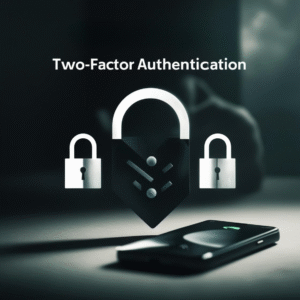 Third, implement multi-factor authentication (MFA). Passwords alone are no longer sufficient. MFA adds an extra layer of protection that can stop many attacks in their tracks.
Fourth, back up your data, frequently and securely. In the event of a ransomware attack, having clean backups can mean the difference between a quick recovery and a total shutdown.
Fifth, limit access. Not every employee needs access to every system. Apply the principle of least privilege and revoke access immediately when someone leaves the company.
Finally, have a response plan. When an incident occurs, and it’s increasingly a matter of when, not if, having a tested incident response plan can dramatically reduce downtime and losses.
Cybersecurity is no longer a luxury or an afterthought. It’s a fundamental part of doing business in 2025. Hackers aren’t impressed by your size, they’re looking for weaknesses. And if you’re not prepared, you’re vulnerable.
If you’re a small business owner or leader, now is the time to act. Build resilience, invest in awareness, and take cybersecurity seriously. Because in today’s threat landscape, being small doesn’t make you safe, it makes you a target.
How We Can Help
 This is where SJ Cyber Aware steps in, offering tailored, practical support to help small medium businesses navigate this complex landscape and build the resilience they urgently need.
SJ Cyber Aware translates the daunting task of cybersecurity into manageable steps for small businesses. We equip you with the tools, knowledge, and structured approach needed to move from being a potential target to a resilient operation, protecting your data, maintaining your operations, and safeguarding the trust you’ve built with your customers.