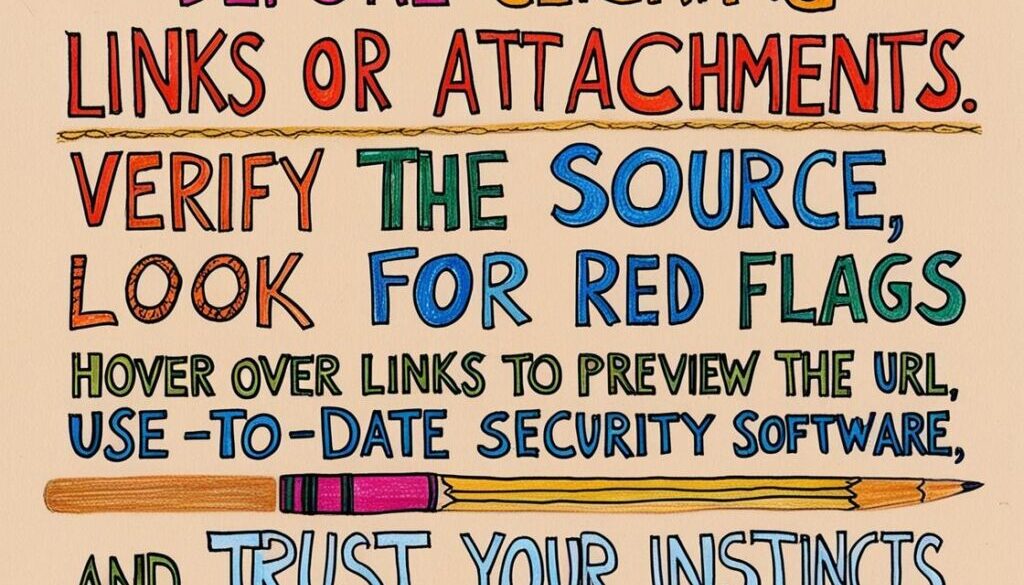
If something feels off, trust your instincts—better safe than sorry!
Suspicious Sender – If the email is from an unknown or unusual address, be cautious. Even familiar names can be faked.
Urgent or Threatening Language – Scammers often try to rush you by claiming your account will be locked or you’ve won something.
Unusual Links – Hover over links (without clicking) to check the actual URL. If it looks strange or doesn’t match the official website, don’t click.
Unexpected Attachments – Be wary of unsolicited files, especially if they end in .exe, .zip, or .scr, as they could contain malware.
Poor Grammar & Spelling – Legitimate companies proofread their emails. Lots of typos or odd phrasing could signal a scam.
Too Good to Be True Offers – If an email claims you’ve won money or a free gift without any effort, it’s likely fake.
🔸 Requests for Personal Info – Banks and reputable companies won’t ask for sensitive information like passwords via email.
🔸 Generic Greetings – Messages that start with “Dear Customer” instead of your name might be phishing attempts.
🔸 Hidden File Extensions – Some malicious files disguise themselves by adding extra dots, like document.pdf.exe.
If something feels off, trust your instincts—better safe than sorry!